Press Enter. The Future Is in Your Hands.
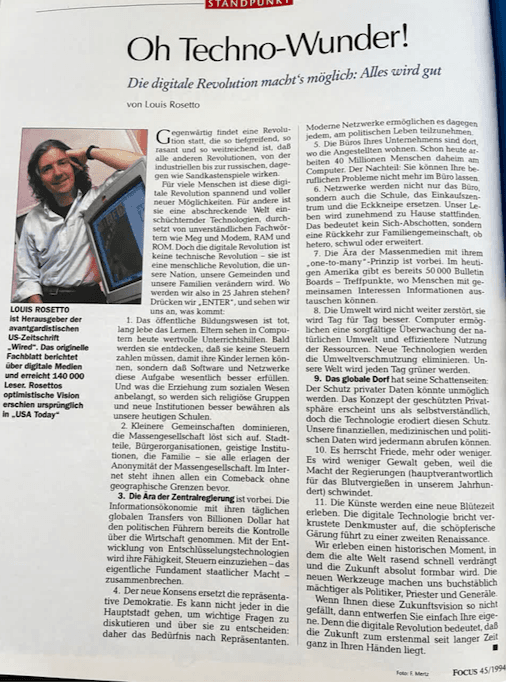
In 1994, before most people had ever sent an email, a man named Louis Rossetto wrote something that reads today like prophecy.
Rossetto is the co-founder of WIRED the magazine that didn't just report on the digital revolution but declared it. While the rest of the press treated computers as a business tool, WIRED understood them as something far bigger: a force that would dismantle the old centralized world and hand power back to the individual. It was loud, optimistic, and unapologetically radical. That mattered. It gave a generation of builders permission to believe the future could be theirs.
In a piece titled "Oh Techno-Wonder!" Rossetto laid out his vision. Three decades later, it's worth reading what he actually said.
What he wrote
He predicted the end of the office as obligation work would come to people, not people to the office. He predicted that traditional media would lose its monopoly on truth, that networks would let people bypass the gatekeepers entirely. He predicted that communities would reorganize around shared values instead of geography. He predicted the rise of "the global village" millions of people connected directly, trading information and meaning without permission.
And most strikingly, he predicted the decline of central government power. Not its disappearance its erosion. He saw a world where the individual could route around the state the way the internet routes around damage.
What he got right and what he later admitted
Almost all of it came true. But Rossetto was honest enough, in later interviews, to refine the vision. The state won't vanish. Neither will the institutions built on it just as churches still stand centuries after they lost their grip on daily life. The old structures persist.
But here is the key insight: you don't have to wait for them to disappear. As an individual, you can find your own way out. You can build a life that quietly steps around the machine instead of fighting it head-on. The exit was always personal before it was political.
What he couldn't have known
Rossetto wrote before Bitcoin. Before Nostr. He had the vision but not yet the tools. We do.
Why Bitcoin
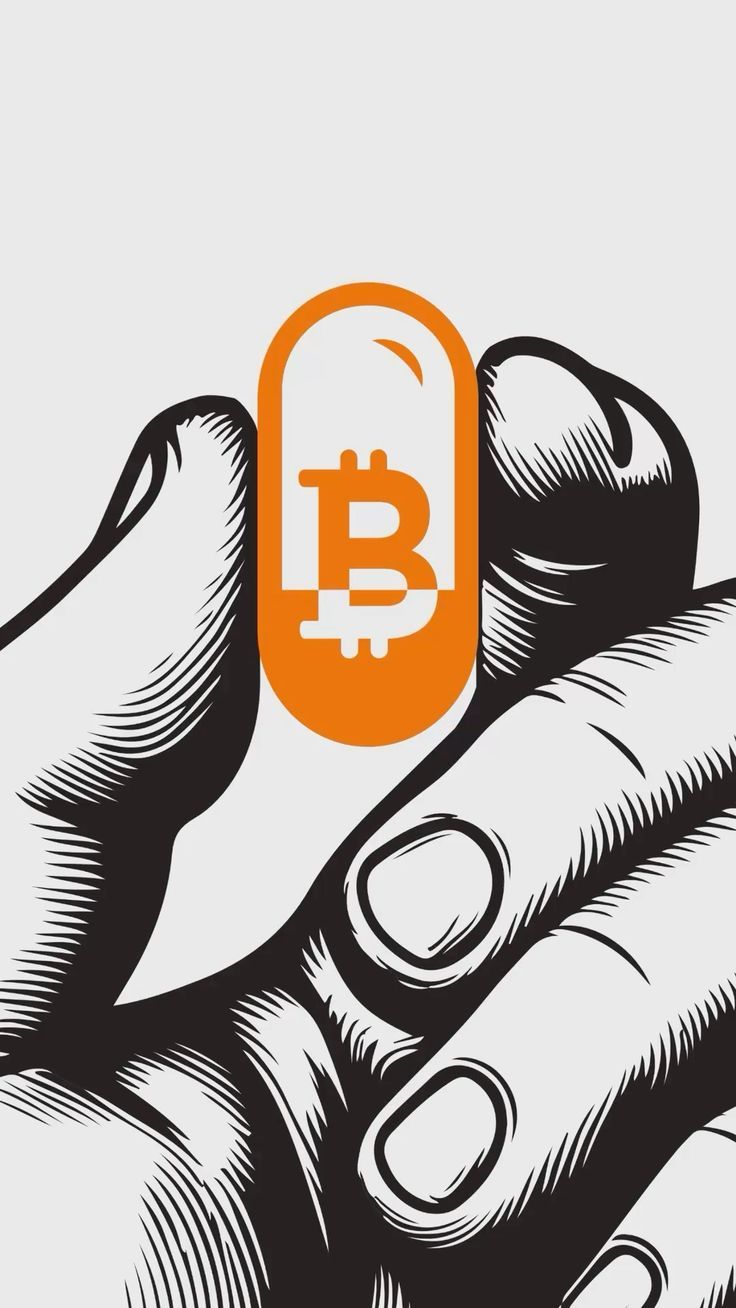
The internet separated information from the state. Bitcoin separates money from the state. That is the whole revolution in one sentence.
Every government's power rests on one thing: control of the money. Inflation is a tax you never voted for your savings lose value every year while you sleep, and the difference flows quietly to those who print. Taxation is not a contribution you choose; it is taken, under threat of force. Call it what it is. Taxes are theft extraction backed by the implicit promise of a cage if you refuse.
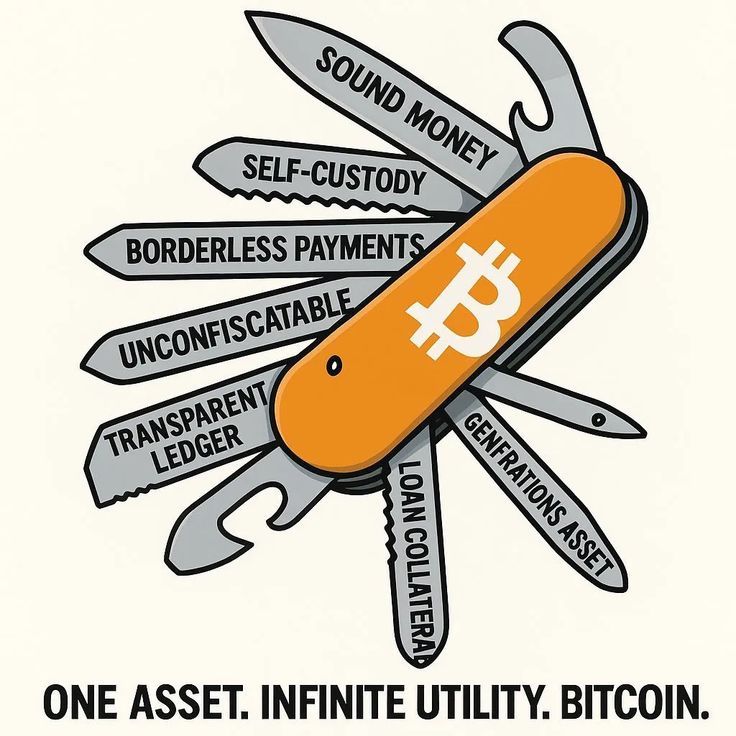
Bitcoin doesn't ask permission. It is money that cannot be inflated, cannot be frozen by decree, cannot be debased to fund wars you don't support. For the first time in history, an individual can hold wealth that no central authority can silently confiscate. That is not a feature. That is freedom, encoded.
Why Nostr
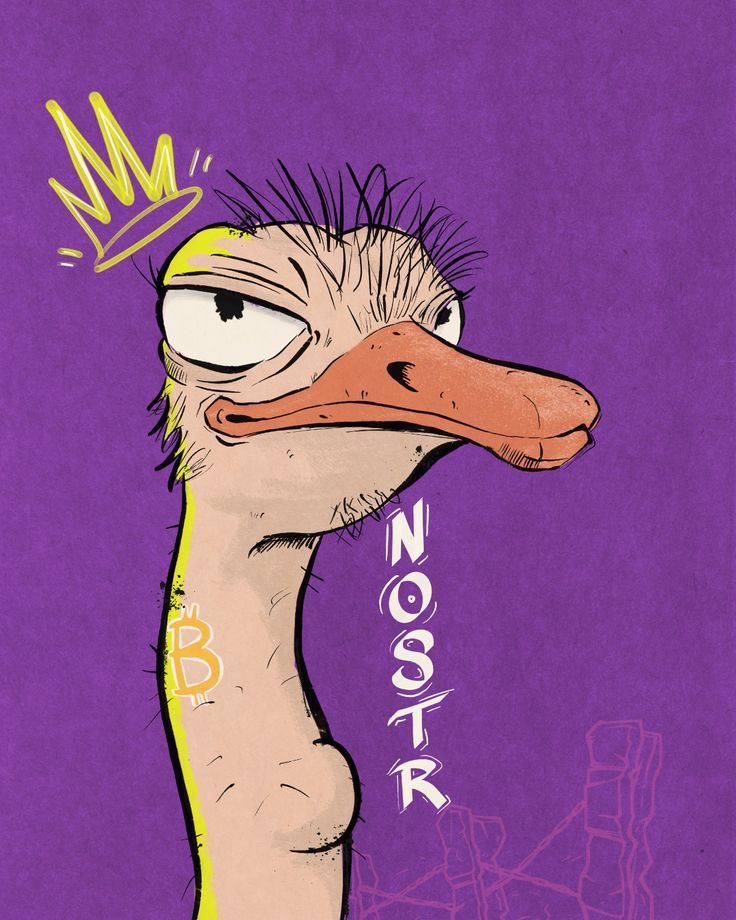
Nostr is what the open internet was supposed to become before Twitter, Facebook, and Google privatized the public square. No account that can be deleted on a whim. No algorithm deciding what you're allowed to see. No platform throttling your voice the moment you say something inconvenient. Your identity is yours cryptographically, permanently. You speak, and no gatekeeper stands between you and the world.
The thread that connects it all
Bitcoin. Nostr. Self-hosting. Lightning. Direct, peer-to-peer everything. They share one purpose: to make you less dependent. On banks. On platforms. On governments. On a currency designed to decay.
This isn't a call to burn anything down. The state will remain, like the cathedrals monuments to an older way of organizing human life. But you are not obligated to live inside its walls. You can choose sound money. You can choose censorship-resistant speech. You can choose to keep what you earn. You can choose, within the bounds of what is possible, to simply opt out.
Why Libertarian
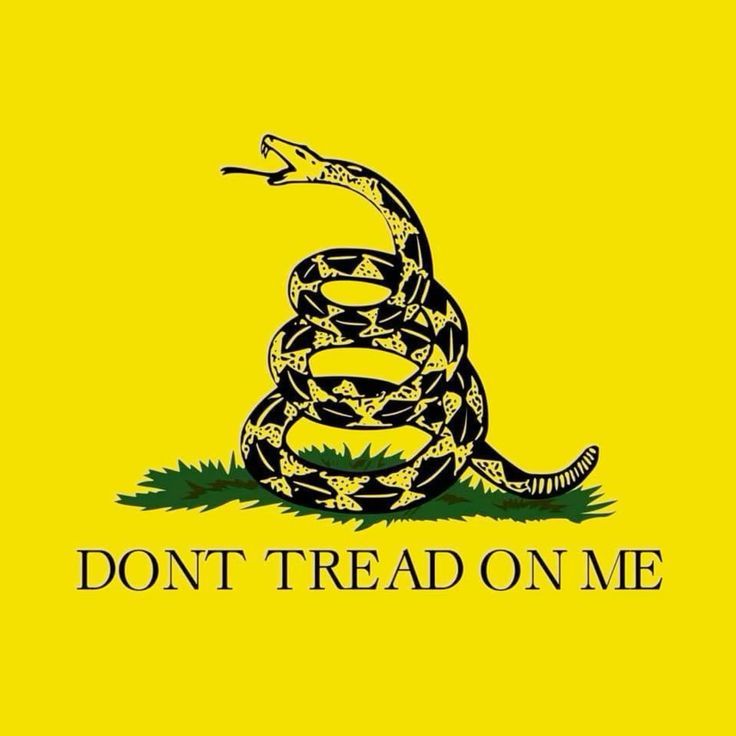
Every other philosophy starts with the same question: who should hold power over you? The libertarian answer is simpler and older than all of them no one but yourself. You own your body, your mind, your labor, and what you earn with it. Not the state. Not the majority. Not whoever happens to be in office this term.
From that single principle everything follows. If you own yourself, then force used against a peaceful person is wrong whether it comes from a criminal or a government with a flag behind it. Taxation is not a noble contribution to the common good; it is taken from you under threat of force, and a thing taken under threat of force has a name. Trade should be voluntary. Speech should be free. Your choices about your own life are yours to make, as long as you harm no one else.
This is not chaos, and it is not selfishness. It is the radical idea that human beings flourish when they are free to cooperate by choice rather than by command. The state will not disappear but you are not obligated to surrender your conscience to it. Freedom, like sound money, is something you can choose.
The Choice Is Yours
Rossetto saw the shape of this future in 1994, before the tools existed to build it. He was right about the direction, honest about the limits. The state would not vanish. The old institutions would not crumble overnight. But the individual would find a way through quietly, patiently, one decision at a time.
Today the tools are here. Sound money you truly own. Speech no one can silence. A life you can build on your own terms, in your own place, by your own values. None of it requires permission. None of it requires a revolution. It only requires the willingness to press Enter and step through the door that thirty years of builders left open for you.
See you on the other side.